Set up the account
On the customer profile, check Fleet Account. When Fleet Account is enabled, a Fleet Code field appears. Enter a short, memorable code (or print it as a barcode) that staff will use to ring vehicles up against this account at the lane. A fleet code is not required and should only be used if the account will be ringing up a non fixed list of vehicles.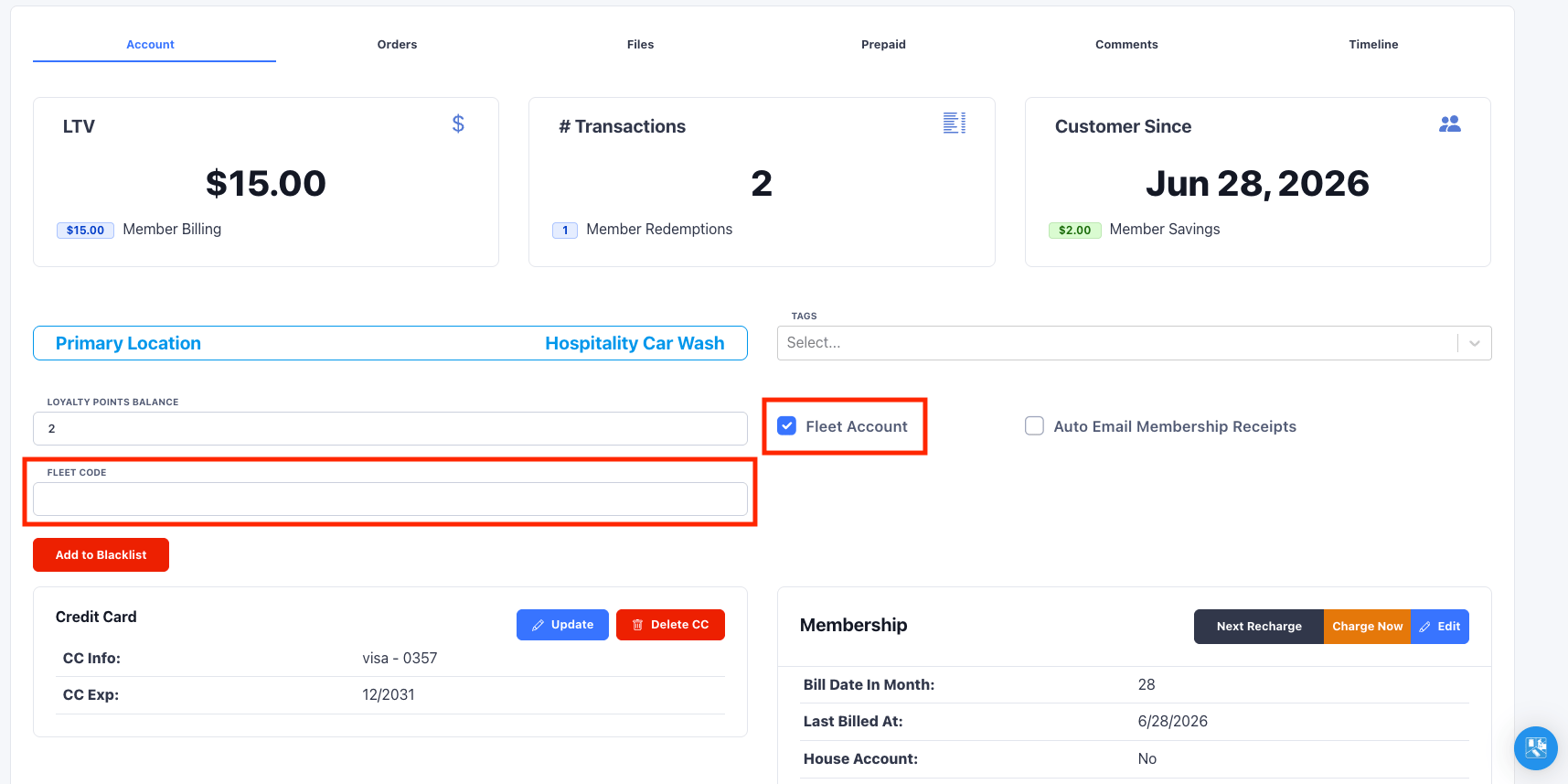
Tender at the lane
There are two ways a wash gets tendered to a fleet account:-
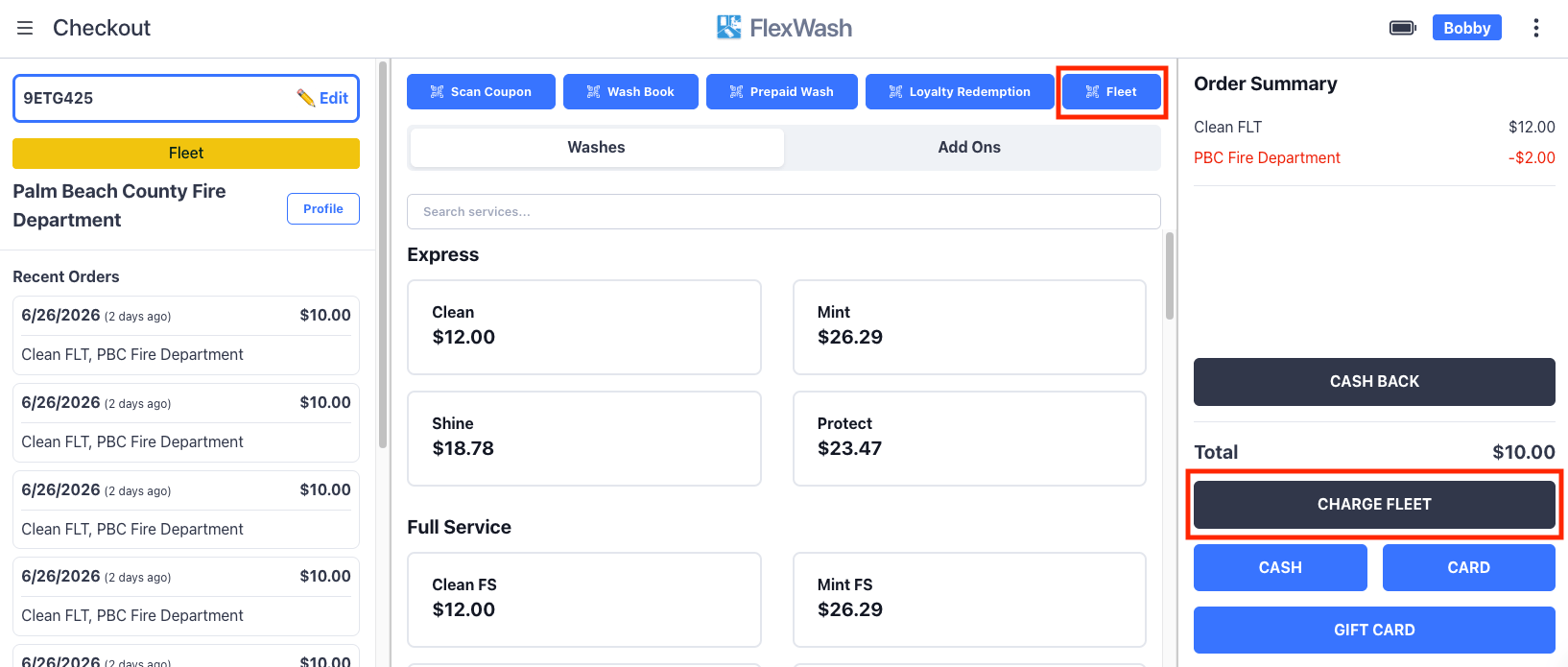
Known vehicle on site. When a vehicle on the account comes through and is looked up by LPR/RFID, the pay tablet presents a Fleet tender. Billing is deferred in FlexWash; you invoice on your side.
-
Open plate list (the Fleet button). Tap Fleet on the checkout menu to enter or scan a fleet code. FlexWash looks up the account, confirms the match, and tenders the order to that fleet account.
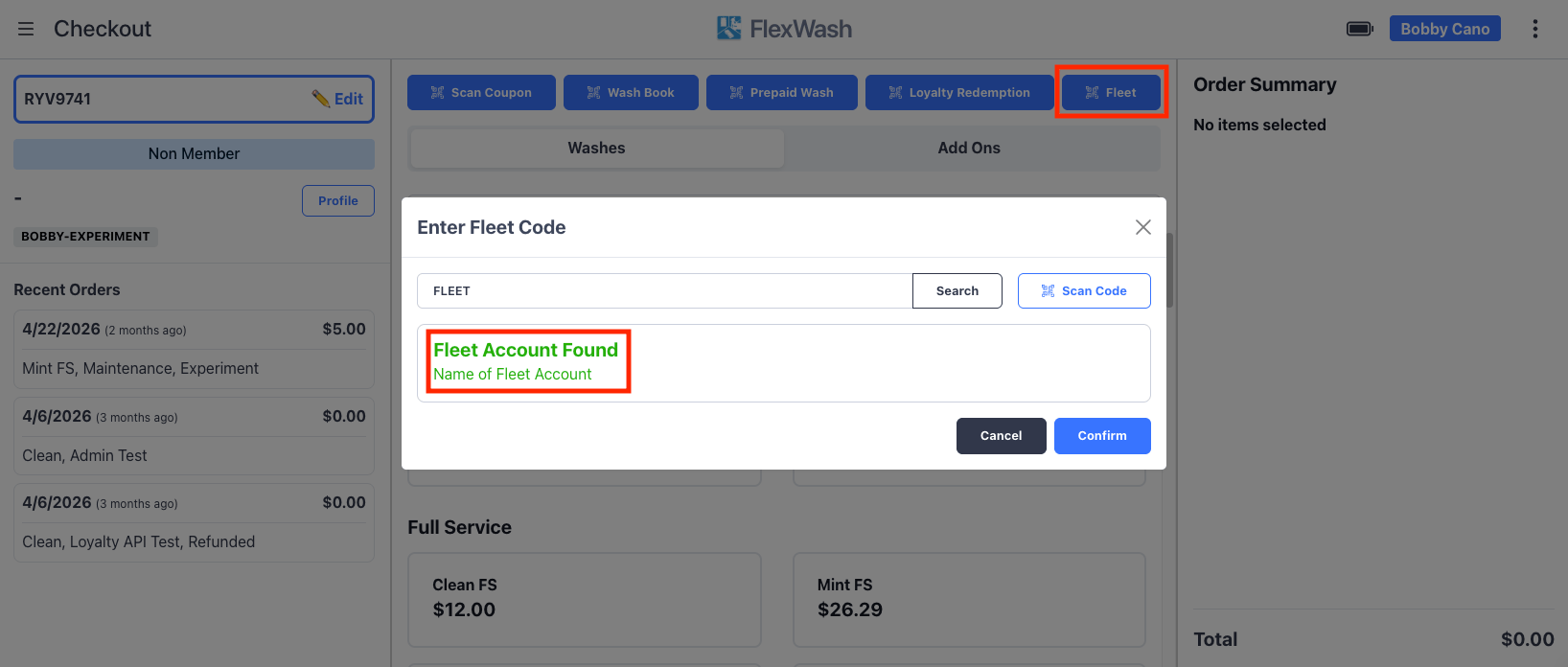
When you ring up a plate this way, FlexWash saves the license plate
details on the order, but it does not create a vehicle on the fleet
account. The wash is attributed to the account for billing, while the plate is
captured for that order’s record only. This is by design for open, changing
fleets.
Invoice and reconcile
Fleet-tendered washes are deferred revenue: count them when the wash happens, then invoice and collect outside FlexWash. The deposits report attributes these washes to the Fleet payment channel so you see revenue when the wash happened. Treat that revenue as deferred until you invoice and collect.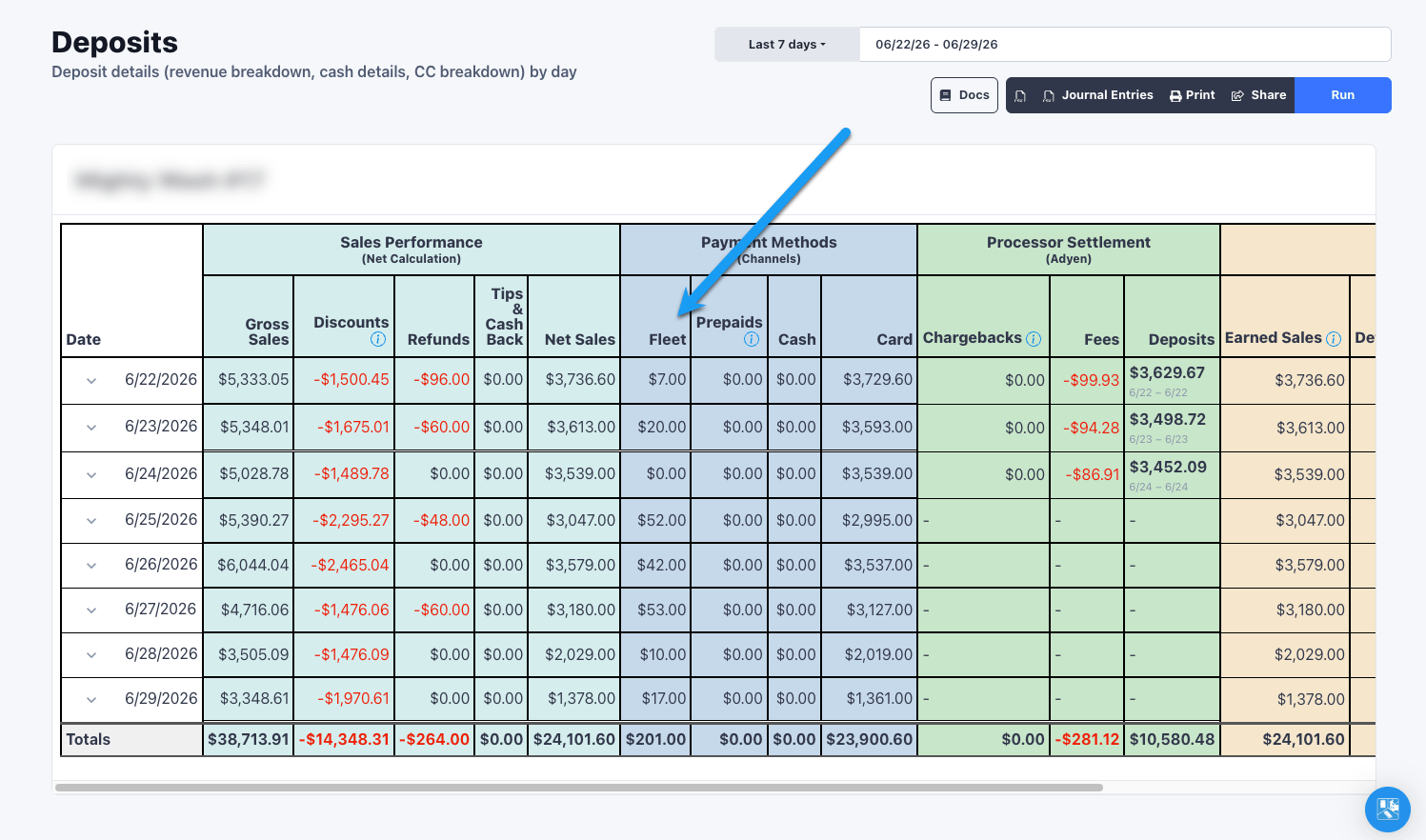
Unattended lane usage
Fleet tender also works hands-free at unattended lanes, just like an unlimited member. With the right setup, a fleet vehicle is recognized by LPR or RFID, washes at its contract rate, and the charge is recorded against the account automatically, with no attendant and no card on file. To set this up for an account with a fixed roster of plates or RFID tags:- Set the contract rate with a membership package. Create a Membership package whose benefit discounts the wash to the agreed price using a membership benefit. Make this package disabled so it can’t be sold to non-fleet customers on the pay tablet.
- Check Fleet Account on the customer profile, and add the account’s license plates and RFID tags as vehicles.
- Assign the membership package to those vehicles.
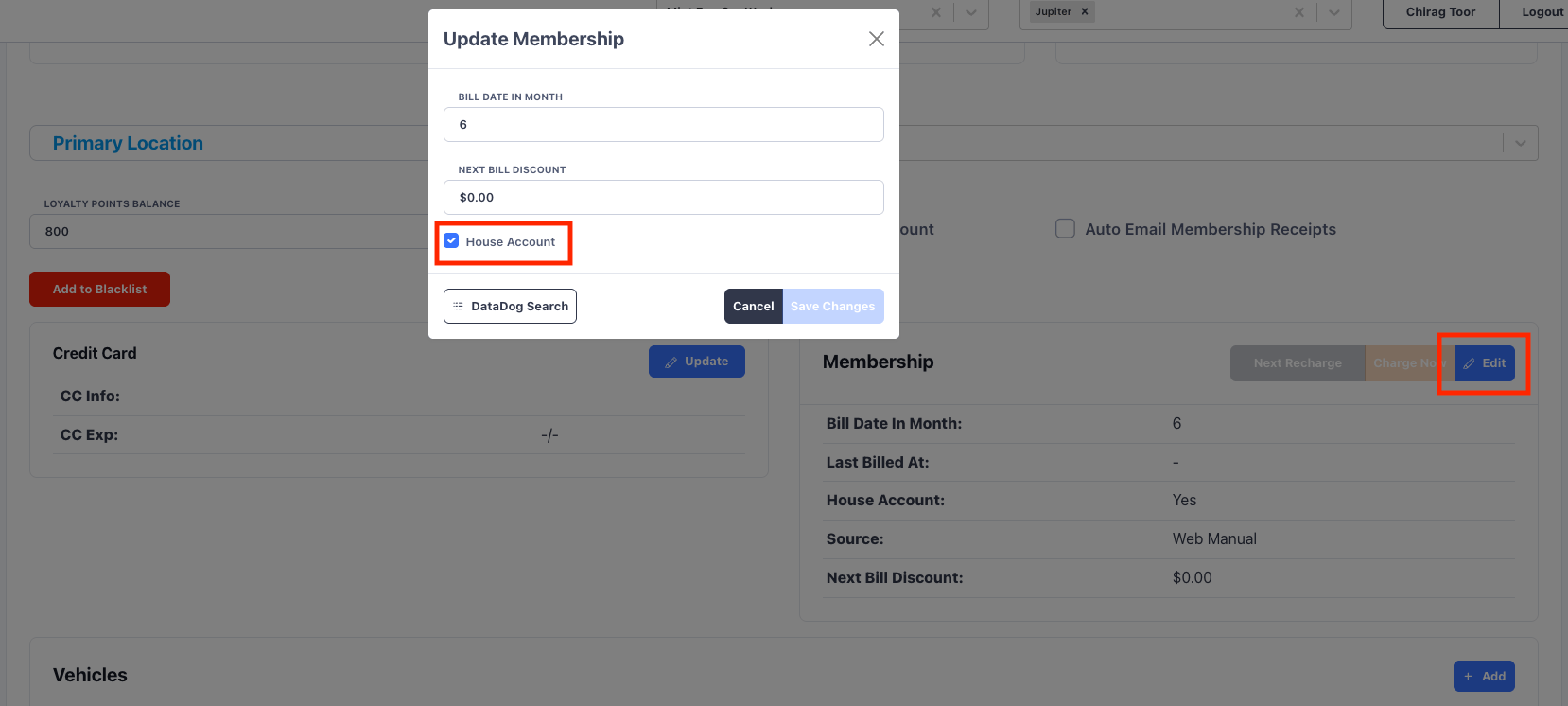
- Set House Account on the membership. Because the account pays per wash and should not be billed monthly like a normal member, mark the membership as a house account.
The wash still counts as a member wash and appears in the Fleet Activity
report and deposits, so unattended fleet
visits reconcile the same way as attended ones.